What Health and Wellness Goals Will You Set for 2019?

What Health and Wellness Goals Will You Set for 2019?
What Health and Wellness Goals Will You Set for 2019?

Are you intending to improve your health and wellness in 2019? Have you set your goals? If 2018 didn’t go quite as you planned on the health and wellbeing front, the New Year is a great time to think about where you’d like to be – both this time next year and much further down the line. Here are some tips for setting some goals that will improve your health and wellness, and some of the key areas that you might want to focus on.

Setting Health and Wellness Goals

It’s not “all or nothing”. When we set health goals, it’s often on all-or-nothing basis. You might start off with the best intentions but it’s often unsustainable in the long term. If you don’t exercise much to begin with, resolving to work out every single day can be a bit too much. Meeting in the middle at 3 workouts per week is something you can stick with even when life gets busy. You don’t necessarily need to commit hours to workouts either, especially if the ones you do are pretty intensive.

SMART goals. SMART stands for Simple, Measurable, Achievable, Realistic and Time-bound. Keep these in mind when you’re setting health and wellness goals. Be sure to factor in your current health situation and what you might realistically be able to achieve without changing your lifestyle beyond all recognition or compromising your health. This is something I go in-depth about in “28-Day Healthy Habits Kickstart”, a month-long on-line program to get your year off to a great start! 

Be patient. You won’t see significant changes to your health and wellbeing overnight but keep reminding yourself that every little bit of progress you make will start to add up over time.

woman asleep in her bed

Health and Wellness Goal # 1 – Sleeping Well

How much sleep do you get in the average night? If it’s not the recommended 7-9 hours, make sure one of your resolutions includes getting a good night’s sleep – especially the deeper, more restorative stages of sleep. Ideally, you want to be spending around 20% of your sleep in a deeper stage of sleep but this can be much lower if you wake up a lot during the night.

Lack of sleep can make you more likely to develop a host of health problems and it can also be a risk factor for cognitive decline. Here’s a scary thought … every cell and tissue in your body benefits from adequate sleep, according to the National Institute of Neurological Disorders and Stroke. Cardiovascular disease, diabetes, high blood pressure and obesity are just a few of the problems that can stem from poor sleep.

Not getting enough sleep is also a factor in weight gain. It disrupts your levels of key hormones, particularly ghrelin and leptin. These hormones control your appetite, with ghrelin telling you when you’re hungry and leptin stepping in when you’re full. When they’re imbalanced after poor sleep, it’s no great surprise that it triggers overeating. In the long run, it leads to weight gain.

If your sleep could be better, make sure that 2019 is the year that you commit to better sleep. It’ll help to protect you against the health risks associated with chronic insomnia and can be a secret weapon in keeping your weight in check.

Go to bed at the same time every night, and try to get up at the same time every morning. I love my FitBit – it records each stage of my sleep and how many minutes I was in each stage. I get a green star when I get my 8 hours!

group of friends gathered at a residence sitting around a coffee table

Health and Wellness Goal #2 – Social Interaction

Do you ever feel lonely? If the answer is “yes”, it’s time to make social interaction another wellness goal for 2019. It’s very possible to feel lonely and isolated even if you have a good support network around you. Loneliness is linked to higher levels of inflammation that can then pave the way for health problems. It’s even been linked to dying earlier!

To stop loneliness being a problem for you, make a pact with yourself to get out and meet new people as part of your 2019 wellness goals. Whether that involves signing up for a new fitness class or joining a book group, look for new opportunities for social interaction.

I work with clients all day and my co-workers know everything about me. But sometimes it is just what I need to meet new people who know nothing of my situation and accept me for who I am, and ask for nothing except a great conversation!  It’s nice to let my guard down and not have to be “on” all the time.
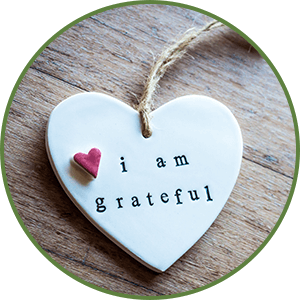
words i am grateful on heart decoration

Health and Wellness Goal #3 – Gratitude

You might have heard of gratitude as a major trend in self-care, but you may be less aware of the potential health benefits. According to research from UC Davis, people who express gratitude on a regular basis are happier and have less physical health problems. It may even be able to reduce cortisol levels and biomarkers of inflammation.

Want some of this for yourself? Spend a few minutes every day thinking about things that have made you grateful or thankful. Keeping a gratitude diary has been shown to reduce perceived stress too. Practicing gratitude as one of your big health and wellness goals for 2019 could improve both your physical and mental wellbeing.
words never stop dreaming on a paper make a great act of kindness

Health and Wellness Goal #4 – Random Acts of Kindness

Performing random acts of kindness for other people is another great health and wellness goal for 2019, especially if you’re committed to improving your happiness.

In a study from Oxford University, performing acts of kindness was linked to slightly higher levels of happiness and life satisfaction. Resolving to carry out at least one act of kindness per week in 2019 can help with this.

References:

https://www.ninds.nih.gov/Disorders/Patient-Caregiver-Education/Understanding-Sleep
https://www.psychologytoday.com/us/blog/the-mindful-self-express/201709/feeling-lonely-you-may-be-damaging-your-health
https://health.ucdavis.edu/medicalcenter/features/2015-2016/11/20151125_gratitude.html
http://www.ox.ac.uk/news/2016-10-05-being-kind-others-does-make-you-slightly-happier

You might be interested in: How to Set & Keep Your New Years Resolutions for 2019

In Health & Happiness
Dr. Tara Clapp, ND

Dr. Tara Clapp, ND

Dr. Tara Clapp, ND

Naturopathic Doctor Focusing on Anti-aging and Hormone Optimization

Dr. Tara Clapp, ND is a Board-certified Naturopathic Doctor and leading authority on Anti-Aging & Bio-Identical Hormones. Dr. Clapp, ND has taken numerous courses to advance her knowledge and has received certifications in Intravenous Nutrient Therapy, Mesotherapy & Injection Therapy for Anti-Aging  & Pain Management, as well as First Line Therapy Weight Management.

Dr. Tara Clapp, ND uses specialized, leading-edge laboratory testing for better diagnostics & health.  Dr. Tara Clapp, ND has special interests in anti-aging, bio-identical hormone therapy, food and nutrition,  metabolic and hormone imbalances and digestive disorders.

Being a naturopathic doctor has proven to be an especially rewarding experience to Dr. Tara Clapp, ND as it allows her to take part in people’s transformation and realization of their health potential. Consequently, Dr. Tara Clapp, ND continually updates her skills through new courses and conferences, and uses this information to better her clients.

Dr. Tara Clapp, ND is  a dedicated and caring physician, taking personal interest in her clients’ health and life.

Dr. Tara Clapp, ND has a passion for self-development programs that push her beyond regular physical and mental performance.  Dr. Tara Clapp, ND enjoys practicing yoga and meditation, has a love of photography, and relaxes by scrapbooking and enjoying long walks with her dog.

Categories

Dr. Tara Clapp, ND - Anti-aging and Hormone Optimization

Hi! I’m Dr. Tara Clapp, ND

I focus on anti-aging and hormone optimization.

As a naturopathic doctor, I help women achieve radiant skin, maintain an active lifestyle and have lots of energy to do what they want. But what I’m really passionate about is teaching women how to harness the power of nature to change their biology, hormones, and genetic expression so they can live happier and healthier lives and achieve their vision of their best self!

KickAss Keto Diet Program by Dr. Tara Clapp, ND
Renew You Detox Course by Dr. Tara Clapp, ND - Start Now! Detox from home in 10 days for only $47
28 Day Healthy Habits Online Course by Dr. Tara Clapp, ND
How To Enjoy the Holidays Without Alcohol

How To Enjoy the Holidays Without Alcohol

How to Enjoy the Holidays Without Alcohol

A lot of people find themselves drinking more this time of year than any other, with the intention of balancing things out by doing a detox in January. The holidays can be a difficult time to start a more mindful approach to alcohol but there are still lots of ways to enjoy yourself with little or no alcohol involved. If you’re trying to avoid putting on weight this holiday season, it’s a good idea to limit how much alcohol you drink. Liquid calories from alcohol (and mixers such as pop) can mean that you consume far more calories than you intended and it’s not great for your health either. By cutting back, your waistline and your health will thank you!

Know why you’re doing it

What’s your main reason for ditching alcohol? Maybe you want to get healthier or lose weight. Or maybe you don’t enjoy the headaches and fatigue the next day if you’ve over indulged. Whatever the reason(s), write it down and pin it somewhere obvious. To really reinforce it in your mind, you can put stickies in lots of different places to keep reminding you whenever your motivation takes a hit.

It’s also helpful to think about why you tend to reach for alcohol in the first place. Is it a confidence booster? Do you feel better about yourself when you start drinking? Or do you feel obliged to drink because your social circle does? This can help you to work out whether you’re drinking alcohol because you really enjoy it or because there’s something deeper going on that you need to address.

Be selective with accepting invitations

If you know that alcohol is going to be the main part of an event and you don’t want to drink much (or any) alcohol, you might want to think twice about accepting an invitation. It can be a lot harder to stick to your guns when you’re not drinking alcohol, although there is often the option to swap alcoholic drinks for non-alcoholic versions and still get involved in the party atmosphere. If you can see potential for going easy on the alcohol and still being part of the event, go ahead and accept the invitation.

Stick to true holiday pleasures and avoid the rest

Love a bit of mulled wine or rum and eggnog over the holidays? Treat yourself to the odd glass and ditch everything else alcoholic. You can look forward to these little pleasures much more and really savor it. Chances are, the rest of the alcohol you’d normally drink isn’t such a lovely treat and may even just be a habit.

Visualize yourself having fun without alcohol

It can be hard to imagine yourself having fun without alcohol if you’ve previously used it to boost your confidence to help you to relax. One tip that can work well involves visualization. More specifically, you can visualize yourself effortlessly enjoying holiday events without any alcohol at all. Visualization can be a powerful mental tool – so much so that elite athletes use it prepare for sporting events. If you can “see” yourself having a great time without alcohol, it’s much easier for this to happen in reality.

Get like-minded friends on board

Holiday events can be super hard if you’re the only one not drinking, but it’s a whole different ball game if you have supportive friends on board to get you through. Depending on why you’ve decided to ditch alcohol, you might be surprised how easy it is to encourage your friends to join you in your efforts.

Keep a drink in hand

Keeping a non-alcoholic drink in your hand at holiday events can stop any well-intentioned offers of an alcoholic drink. If you have a drink already, there’s far less chance that you’ll end up caving due to peer pressure. If you’re still offered an alcoholic drink, just say “I’m good, thanks!” and move on. There’s no need to explain why you’re not going gaga for another drink or a top up. This can work well in situations where you don’t want to make a big deal about not drinking but you don’t want to feel obliged to drink either.

Commit yourself to being truly present at events

If you’d normally drink for social reasons, get into the habit of not hiding behind alcohol and really committing yourself to being part of the event. This can be super hard if you’re not used to showing your real self and you know there will be strangers at the event. But if you’re just catching up with friends or family, give alcohol a miss. You’ll probably find that you enjoy yourself a lot more than you think.

In Health & Happiness
Dr. Tara Clapp, ND

It has 14 healthy recipes to either bring to a party or to serve at one you are hosting!

Dr. Tara Clapp, ND

Dr. Tara Clapp, ND

Naturopathic Doctor Focusing on Anti-aging and Hormone Optimization

Dr. Tara Clapp, ND is a Board-certified Naturopathic Doctor and leading authority on Anti-Aging & Bio-Identical Hormones. Dr. Clapp, ND has taken numerous courses to advance her knowledge and has received certifications in Intravenous Nutrient Therapy, Mesotherapy & Injection Therapy for Anti-Aging  & Pain Management, as well as First Line Therapy Weight Management.

Dr. Tara Clapp, ND uses specialized, leading-edge laboratory testing for better diagnostics & health.  Dr. Tara Clapp, ND has special interests in anti-aging, bio-identical hormone therapy, food and nutrition,  metabolic and hormone imbalances and digestive disorders.

Being a naturopathic doctor has proven to be an especially rewarding experience to Dr. Tara Clapp, ND as it allows her to take part in people’s transformation and realization of their health potential. Consequently, Dr. Tara Clapp, ND continually updates her skills through new courses and conferences, and uses this information to better her clients.

Dr. Tara Clapp, ND is  a dedicated and caring physician, taking personal interest in her clients’ health and life.

Dr. Tara Clapp, ND has a passion for self-development programs that push her beyond regular physical and mental performance.  Dr. Tara Clapp, ND enjoys practicing yoga and meditation, has a love of photography, and relaxes by scrapbooking and enjoying long walks with her dog.

Categories

Dr. Tara Clapp, ND - Anti-aging and Hormone Optimization

Hi! I’m Dr. Tara Clapp, ND

I focus on anti-aging and hormone optimization.

As a naturopathic doctor, I help women achieve radiant skin, maintain an active lifestyle and have lots of energy to do what they want. But what I’m really passionate about is teaching women how to harness the power of nature to change their biology, hormones, and genetic expression so they can live happier and healthier lives and achieve their vision of their best self!

KickAss Keto Diet Program by Dr. Tara Clapp, ND
Renew You Detox Course by Dr. Tara Clapp, ND - Start Now! Detox from home in 10 days for only $47
28 Day Healthy Habits Online Course by Dr. Tara Clapp, ND
How To Eat Healthy & Still Have Fun This Holiday Season

How To Eat Healthy & Still Have Fun This Holiday Season

How to Eat Healthy & Still Have Fun This Holiday Season

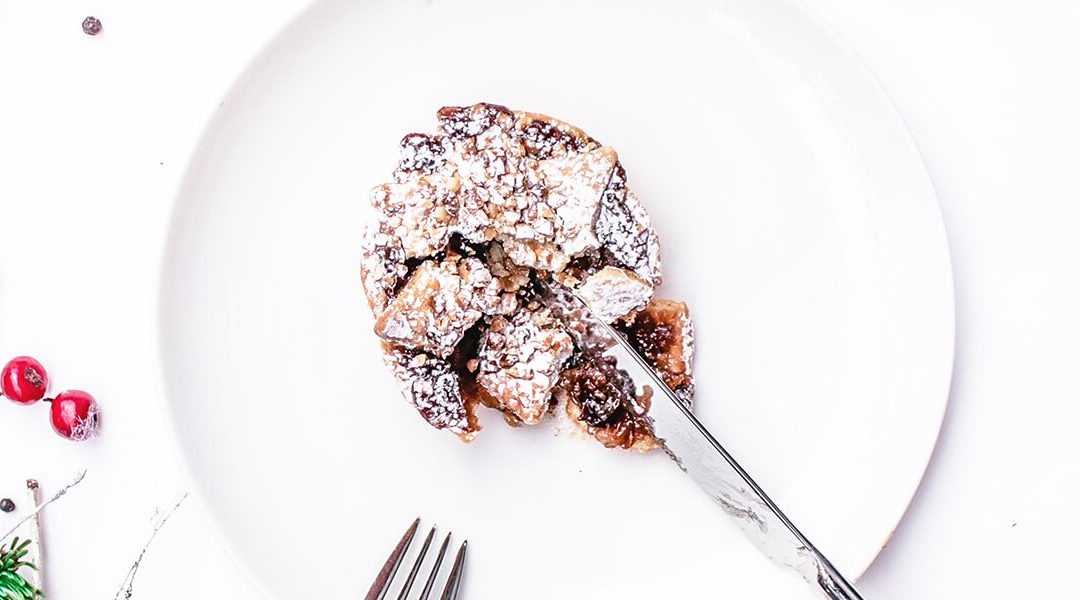
Trying to eat healthy can seem like a monumental challenge over the holiday season, especially if you’ve been invited to parties and are worried that the food will ruin your healthy eating efforts. Party food can be super tempting and it can derail all of your good intentions but here’s the good news: you’re much more in control than you might think and there’s plenty you can do to stay on track and still have fun.

Get plenty of sleep

On paper, you might not think that the amount of sleep you get the night before will matter too much. In reality, a bad night’s sleep can mean that you eat hundreds more calories more the next day. And that’s bad news if you want to avoid calorie heavy and unhealthy party food! Try to get to bed early the night before parties and you can cut out the potential for overeating.

Don’t turn up hungry at parties

If you’ve ever found yourself picking up junk food in the grocery store while shopping hungry, you’ll know the negative impact it can have on your food choices. And this is why you don’t want to show up to holiday parties on an empty stomach either.

If you’re tempted to eat little (or nothing!) before you go out this holiday season, think again! You might assume you’ll be “saving” your calories for later but you’re more likely to be giving yourself the green light to eat a lot more than you intended.

It’s fine to leave a bit of room for festive food but you definitely don’t want to be ravenous when you turn up. This is a surefire recipe for wanting to eat everything in sight!

Eat a filling snack 20 to 30 minutes before you leave home, such as nuts and a piece of fruit. This can be super helpful for stopping you snacking at the party.

Don’t restrict yourself

Tempted to eat less or work out more in the run up to a holiday party? This can work against you as you’re more likely to overeat when you get there. You’re usually better off sticking to your normal eating and fitness plans and trying to make good food choices.

Go for healthier options

If there’s a mix of healthy and not-so-healthy choices at the buffet table, it’s the perfect opportunity to make sure that you can enjoy some guilt-free party foods.

Spot some cut up veggies? Grab a handful. They’ll help to fill you up and won’t pile on the calories. Just make sure that you don’t dunk them in high calorie dips that are also likely to be loaded with fat too. Guacamole or hummus are good choices, but most other dips will be a calorie bomb.

Research suggests that you’ll eat more calories on your first trip to the buffet table, so you can do yourself a big favor if you go for healthier and low calorie options then.

Eat mindfully

It takes around 20 minutes for your stomach to let your brain know that you’re full. In that time, you could easily have eaten the equivalent of a meal without even thinking about it.

Taking a more mindful approach to your eating can help to avoid this. To start things off, go for small helpings of the party food you fancy and really savor eating them. Small bites and chewing your food thoroughly can be super helpful for this.

When you’re done, distract yourself for a bit. Work the room and get talking to other party guests to stop mindless snacking and check in with yourself 20 minutes later to see if you’re really still hungry. Chances are, you’ll find that you’re not.

Don’t forget about liquid calories

It’s not just what you put on your plate that you need to think about – liquid calories also count and they can add up more than you think. Alcohol and pop are empty calories and don’t add nutritional value at all. That’s not to say that you can’t drink – just be mindful of what you drink and what it’s contributing in terms of calories, sugars and so on.

Try drinking a glass of water in between alcoholic drinks in particular to pace yourself and keep yourself hydrated. That way, you can still imbibe, but you’re not going to go overboard.

Sit away from the buffet

Really don’t trust yourself not to keep making trips to the buffet? Position yourself so that you’re not standing anywhere near it. If the food is within reach, there’s so much more potential for mindless snacking even when you’re not at all hungry. The further away you are, the more you have to make a conscious decision to walk over to the buffet.

References:

https://www.forbes.com/sites/alicegwalton/2016/11/02/the-vicious-cycle-of-sleep-deprivation-and-overeating/#1f3fbfa3af02

In Health & Happiness
Dr. Tara Clapp, ND

It has 14 healthy recipes to either bring to a party or to serve at one you are hosting!

Dr. Tara Clapp, ND

Dr. Tara Clapp, ND

Naturopathic Doctor Focusing on Anti-aging and Hormone Optimization

Dr. Tara Clapp, ND is a Board-certified Naturopathic Doctor and leading authority on Anti-Aging & Bio-Identical Hormones. Dr. Clapp, ND has taken numerous courses to advance her knowledge and has received certifications in Intravenous Nutrient Therapy, Mesotherapy & Injection Therapy for Anti-Aging  & Pain Management, as well as First Line Therapy Weight Management.

Dr. Tara Clapp, ND uses specialized, leading-edge laboratory testing for better diagnostics & health.  Dr. Tara Clapp, ND has special interests in anti-aging, bio-identical hormone therapy, food and nutrition,  metabolic and hormone imbalances and digestive disorders.

Being a naturopathic doctor has proven to be an especially rewarding experience to Dr. Tara Clapp, ND as it allows her to take part in people’s transformation and realization of their health potential. Consequently, Dr. Tara Clapp, ND continually updates her skills through new courses and conferences, and uses this information to better her clients.

Dr. Tara Clapp, ND is  a dedicated and caring physician, taking personal interest in her clients’ health and life.

Dr. Tara Clapp, ND has a passion for self-development programs that push her beyond regular physical and mental performance.  Dr. Tara Clapp, ND enjoys practicing yoga and meditation, has a love of photography, and relaxes by scrapbooking and enjoying long walks with her dog.

Categories

Dr. Tara Clapp, ND - Anti-aging and Hormone Optimization

Hi! I’m Dr. Tara Clapp, ND

I focus on anti-aging and hormone optimization.

As a naturopathic doctor, I help women achieve radiant skin, maintain an active lifestyle and have lots of energy to do what they want. But what I’m really passionate about is teaching women how to harness the power of nature to change their biology, hormones, and genetic expression so they can live happier and healthier lives and achieve their vision of their best self!

KickAss Keto Diet Program by Dr. Tara Clapp, ND
Renew You Detox Course by Dr. Tara Clapp, ND - Start Now! Detox from home in 10 days for only $47
28 Day Healthy Habits Online Course by Dr. Tara Clapp, ND
How to Reduce Food Cravings and Improve Your Mood

How to Reduce Food Cravings and Improve Your Mood

Fire Up This Secret Weapon to Reduce Food Cravings and Improve Your Mood!

So, what is this secret weapon, you ask?

Paper. Say what?? Studies have shown that when you use a food journal, it keeps you accountable to yourself for meeting your health goals.

How often do you keep track of what you’re really eating and drinking?

If the answer is “hardly ever” or “never”, you might want to change that! Most people actually underestimate how much they’re actually eating and they think that they’re eating healthier than they really are. I catch myself all the time!

GET YOUR FREE DIET DIARY HERE

So, if you start writing down your food and drink consumption, you might be surprised at what you find and be able to spot patterns linked to your wellbeing. Knowing that you’re going to have to admit to yourself exactly what you ate can be a game changer when it comes to your eating habits! I know I think twice before eating something if I have to write it down!

How Food Journaling Helps Health and Wellbeing

Writing down everything you eat can help you to see why you eat in certain ways and it’s great for spotting signs of emotional eating, for example.

Keeping a food journal or diet diary helps you to see if you really are eating a truly balanced diet or not. You might think you’re getting a nice variety of fruit and vegetables into your daily diet, but a food journal will tell you whether this is definitely true. And if there is some room for improvement with your diet, you’ll soon work it out. Even a minor deficiency can become a lot more obvious when you can see at a glance what you’ve eaten that day.

GET YOUR FREE DIET DIARY HERE

You can also see if certain foods are giving you unpleasant side effects. For example, it may become obvious that you almost always get gas or bloating if you eat a particular food (like bread or dairy), but you don’t notice this with other foods. This might be a sign that your body can’t tolerate it very well, so you can decide whether to cut it out of your diet. Before you start keeping a food journal, you probably knew you were getting these symptoms but didn’t connect it specifically to anything you were eating.

How It Helps Weight Loss

According to experts, you’re more likely to be successful with weight loss if you keep track of what you’re eating in a food journal or tech apps like MyFitnessPal (my personal favourite!) which can track calories and nutrients.

Studies have suggested that keeping a food journal makes people more successful in losing weight and making sure it stays off. In one study, people who kept a food diary for 6 days per week lost twice as much weight as those who only did it for one day per week or didn’t log their food at all. Pretty impressive!

If you keep a food journal, you might notice that you’re snacking more than you’re aware of and if you also track what you’re doing at the time, you’ll probably find that a lot of it is mindless snacking and not linked to genuine hunger. For example, if you’re regularly eating while you’re watching television, it’s unlikely that you’re really appreciating what you’re eating. This can mean that you’ve eaten a lot more than you intended without even noticing.

It can also help you to spot patterns with when you eat. For example, maybe you don’t eat much during the day and then suddenly go a bit crazy in the evenings with the wrong kind of foods. Being aware of this can help you to space out your eating and keep your appetite under control.

How It Helps Mood

Keeping a “food and mood journal” goes a step further than the average food journal and also helps you to link together your food and mood.

If you can spot patterns between what you ate and how you were feeling at the time, it can make you a lot more aware of how your emotions are affecting your eating habits. Once you know this, you can take steps to start breaking the cycle.

It’s also important to log how you felt after eating. If you’re engaging in emotional eating, you may well find that you don’t feel any better afterwards and you may even feel guilty or ashamed that you indulged.

How to Keep a Food and Mood Journal

So, now you know how important a food journal can be but how do you go about keeping one? Ideally, you’ll want to fill it in every time you have something to eat or drink. You might think you’ll remember everything at the end of the day, but this is rarely the case!

Some of the questions you might want to ask yourself in your food journal include:

• What have I eaten or drunk and how much of this was consumed?
• What time was this?
• Where was I when I ate or drank this and what was I doing?
• Was I alone?
• How hungry was I?
• What emotions was I feeling? Did anything happen to make me feel this way?
• How did I feel afterwards?

You can use apps to help you track your food and these can be really useful when you’re out and about and need to log what you’ve eaten. Doing things the old fashioned way can make you more accountable to yourself though – there’s something about having to physically write it down that can make it seem more real.

Want a free Mood & Food Journal?
Subscribe to the newsletter and get access to your own copy.

Logging everything is only part of the story though. Don’t forget to set some time aside to review what you record and spot any patterns it might tell you. This will help you to make changes that improve your health and wellbeing.

Do you feel like you need some extra help and information on figuring out what to eat, easy way to prepare meals, setting realistic lifestyle goals and feeling good? Would a month’s worth of awesome tips, videos, recipes, and handouts make life a little easier and give you some direction? If so, the 28 Day Healthy Habits Kickstartwould be perfect for you! Set yourself up for success!

References:
American Journal of Preventative Medicine “Weight Loss During the Intensive Intervention Phase of the Weight-Loss Maintenance Trial” 2008, Vol 35, Issue 2, pages 118-126

In Health & Happiness
Dr. Tara Clapp, ND

Dr. Tara Clapp, ND

Dr. Tara Clapp, ND

Naturopathic Doctor Focusing on Anti-aging and Hormone Optimization

Dr. Tara Clapp, ND is a Board-certified Naturopathic Doctor and leading authority on Anti-Aging & Bio-Identical Hormones. Dr. Clapp, ND has taken numerous courses to advance her knowledge and has received certifications in Intravenous Nutrient Therapy, Mesotherapy & Injection Therapy for Anti-Aging  & Pain Management, as well as First Line Therapy Weight Management.

Dr. Tara Clapp, ND uses specialized, leading-edge laboratory testing for better diagnostics & health.  Dr. Tara Clapp, ND has special interests in anti-aging, bio-identical hormone therapy, food and nutrition,  metabolic and hormone imbalances and digestive disorders.

Being a naturopathic doctor has proven to be an especially rewarding experience to Dr. Tara Clapp, ND as it allows her to take part in people’s transformation and realization of their health potential. Consequently, Dr. Tara Clapp, ND continually updates her skills through new courses and conferences, and uses this information to better her clients.

Dr. Tara Clapp, ND is  a dedicated and caring physician, taking personal interest in her clients’ health and life.

Dr. Tara Clapp, ND has a passion for self-development programs that push her beyond regular physical and mental performance.  Dr. Tara Clapp, ND enjoys practicing yoga and meditation, has a love of photography, and relaxes by scrapbooking and enjoying long walks with her dog.
Categories

Dr. Tara Clapp, ND - Anti-aging and Hormone Optimization

Hi! I’m Dr. Tara Clapp, ND

I focus on anti-aging and hormone optimization.

As a naturopathic doctor, I help women achieve radiant skin, maintain an active lifestyle and have lots of energy to do what they want. But what I’m really passionate about is teaching women how to harness the power of nature to change their biology, hormones, and genetic expression so they can live happier and healthier lives and achieve their vision of their best self!

KickAss Keto Diet Program by Dr. Tara Clapp, ND
Renew You Detox Course by Dr. Tara Clapp, ND - Start Now! Detox from home in 10 days for only $47
28 Day Healthy Habits Online Course by Dr. Tara Clapp, ND
Is Raw Food Better Than Cooked Food?

Is Raw Food Better Than Cooked Food?

Is Raw Food Better Than Cooked Food?

Raw Food vs. Cooked Food – Which Is Healthier?

Do you already eat a variety of healthy foods, and want to know how to get the most vitamins and minerals out of them?  You’re probably not surprised that there isn’t a “one size fits all” approach to maximizing the vitamins and minerals your body absorbs from foods.

And I’ll tell you that the answer isn’t as simple as “raw is always better” or “cooked is always better.”  As with most nutrition science, it depends on several factors. Some vitamins are destroyed in cooking, while others become easier to absorb (a.k.a. more “bioavailable”). Of course, in the grand scheme of a well-balanced, nutrient-dense, varied, whole foods diet, the cooked vs. raw debate isn’t that critical for most people.

Let me go over which types of foods are best eaten raw, and which ones are best eaten cooked to maximize their nutritional benefit and put an end to the debate of raw vs. cooked.

 Foods to Eat Raw

As a general rule, water-soluble vitamins, such as vitamin C and the B vitamins, found mostly in fruits and vegetables, are best eaten raw.

There are two main reasons for this:

First, when foods are heated (be it steaming, boiling, roasting, or frying) the water-soluble nutrients tend to be destroyed. Vitamin C and the B vitamins are a bit more “delicate” and susceptible to heat than many other nutrients.

Of course, the obvious way to combat these nutrient losses is to eat foods high vitamin C and B vitamins in their raw form (like in an awesome salad) or to cook them for as short a time as possible (like quickly steaming or blanching).

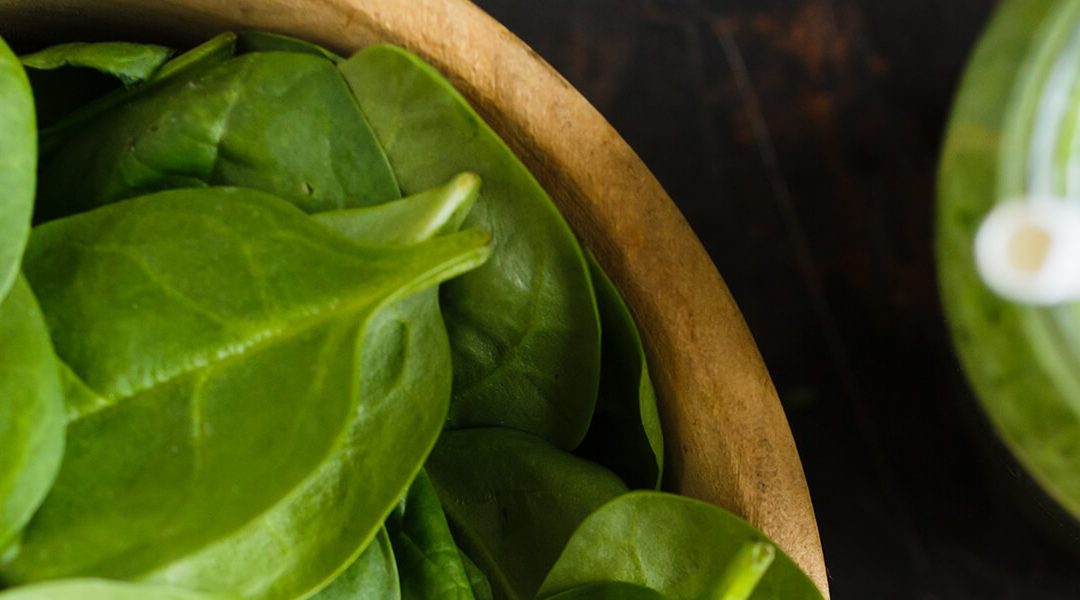
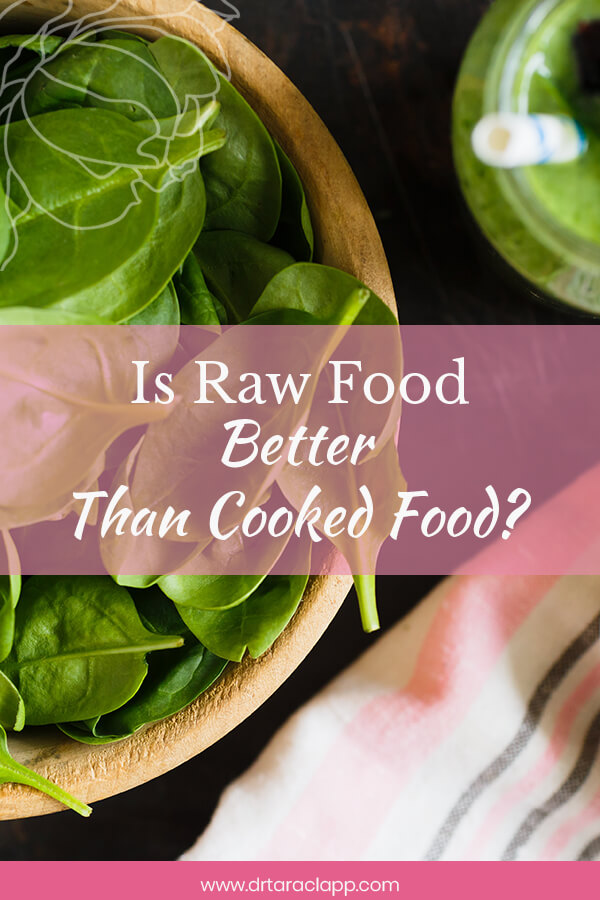
FUN FACT: Raw spinach can contain three times the amount of vitamin C as cooked spinach.

The second reason why foods high in vitamin C and the B vitamins are best eaten raw is that they’re “water soluble.”  So, guess where the vitamins go when they’re cooked in water?  Yes, they’re dissolved right into the water.  This is particularly true for fruits and veggies that are boiled and poached but even for foods that are steamed as well.

Of course, if you’re a savvy health nut, you’ll probably keep that liquid to use in your next soup or sauce to preserve those nutrients that are left after cooking. Just don’t overheat it or you may lose what you were aiming to keep.

But, how much loss are we talking about?  Well, of course it ranges, but can go from as low as 15%, up to over 50% nutrient content loss.

In short, the water-soluble vitamins like vitamin C and the B vitamins degrade with heat and some of what’s left over after they’re heated dissolves into the cooking water. So be sure to cook your fruits and veggies as little as possible and keep that cooking water to use in your next recipe.

Tips for raw nuts and seeds: it may be beneficial to soak them for several hours at room temperature.  This allows some of the minerals to become “unlocked” from their chemical structure, so they’re more absorbable.

Foods to Eat Cooked:

Cooking certain orange and red “beta-carotene rich” veggies (e.g. tomatoes, carrots, & sweet potatoes) can help make this fat-soluble pre-vitamin A compound more absorbable.

FUN FACT: One study found that absorption of beta-carotene was 6.5 times greater in stir-fried carrots than in raw carrots!

Of course, eating your fat-soluble vitamins with a bit of fat will help you to absorb more of them, so that’s one factor to consider.

In another study, blood lycopene levels increased 80% more when people consumed tomatoes sautéed in olive oil rather than without.

One vegetable that’s best eaten both raw and cooked?

Spinach!

And I’m not just saying this to get everyone to eat it any way possible (although, I would love for this to happen…unless you’re allergic, of course).

Spinach contains so many beneficial compounds that it’s great eaten both raw and cooked.

Eating raw spinach preserves the water-soluble vitamins C & the B vitamins.

However, eating cooked spinach allows the pre-vitamin A, as well as some of the minerals like iron to be better absorbed. Not to mention how much spinach reduces in size when it’s cooked, so it’s easier to eat way more cooked spinach than raw spinach.

So, the old nutrition philosophy of making sure you get a lot of nutrient-dense whole foods into your diet holds true. Feel free to mix up how you eat them, whether you prefer raw or cooked just make sure you eat them.

Recipe (cooked spinach): Sautéed Spinach

Serves 4

2 teaspoons olive oil
2 cloves garlic
1 bag baby spinach leaves
1 dash salt
1 dash black pepper
Fresh lemon

  1. In a large cast iron pan heat olive oil.
  2. Add garlic and sauté for 1 minute.
  3. Add spinach, salt, pepper and toss with garlic and oil.
  4. Cover pan and cook on low for about 2 minutes.
  5. Sauté cook spinach for another minute, stirring frequently, until all the spinach is wilted.
  6. Squeeze fresh lemon juice on top.

Serve & enjoy!

Tip: Enjoying the cooked spinach with the vitamin C in the “raw” lemon juice helps your body absorb more of the iron.

References:

https://authoritynutrition.com/cooking-nutrient-content/
http://www.precisionnutrition.com/10-ways-to-get-the-most-nutrients/

In Health & Happiness
Dr. Tara Clapp, ND

Dr. Tara Clapp, ND

Dr. Tara Clapp, ND

Naturopathic Doctor Focusing on Anti-aging and Hormone Optimization

Dr. Tara Clapp, ND is a Board-certified Naturopathic Doctor and leading authority on Anti-Aging & Bio-Identical Hormones. Dr. Clapp, ND has taken numerous courses to advance her knowledge and has received certifications in Intravenous Nutrient Therapy, Mesotherapy & Injection Therapy for Anti-Aging  & Pain Management, as well as First Line Therapy Weight Management.

Dr. Tara Clapp, ND uses specialized, leading-edge laboratory testing for better diagnostics & health.  Dr. Tara Clapp, ND has special interests in anti-aging, bio-identical hormone therapy, food and nutrition,  metabolic and hormone imbalances and digestive disorders.

Being a naturopathic doctor has proven to be an especially rewarding experience to Dr. Tara Clapp, ND as it allows her to take part in people’s transformation and realization of their health potential. Consequently, Dr. Tara Clapp, ND continually updates her skills through new courses and conferences, and uses this information to better her clients.

Dr. Tara Clapp, ND is  a dedicated and caring physician, taking personal interest in her clients’ health and life.

Dr. Tara Clapp, ND has a passion for self-development programs that push her beyond regular physical and mental performance.  Dr. Tara Clapp, ND enjoys practicing yoga and meditation, has a love of photography, and relaxes by scrapbooking and enjoying long walks with her dog.
Categories

Dr. Tara Clapp, ND - Anti-aging and Hormone Optimization

Hi! I’m Dr. Tara Clapp, ND

I focus on anti-aging and hormone optimization.

As a naturopathic doctor, I help women achieve radiant skin, maintain an active lifestyle and have lots of energy to do what they want. But what I’m really passionate about is teaching women how to harness the power of nature to change their biology, hormones, and genetic expression so they can live happier and healthier lives and achieve their vision of their best self!

KickAss Keto Diet Program by Dr. Tara Clapp, ND
Renew You Detox Course by Dr. Tara Clapp, ND - Start Now! Detox from home in 10 days for only $47
28 Day Healthy Habits Online Course by Dr. Tara Clapp, ND
How Food Can Affect More Than Your Mood

How Food Can Affect More Than Your Mood

How Food Can Affect More Than Your Mood

What you eat can affect many areas of your health from your mood to your concentration and even how well you sleep. As you’ll see in this article, your body needs a wide range of vitamins, minerals and other nutrients to keep you in great physical and mental condition so it’s important to nourish it with the right foods and drinks. Here’s how your food can affect your mood, sleep, concentration and even your chances of developing depression.

How Food Affects Your Mood

If your blood sugar fluctuates too much, it can leave you feeling tired and irritable. Ideally, you want to be eating foods that keep your blood sugar stable which includes complex carbohydrates such as brown rice, oats and whole grains. Nuts and seeds are also great for this.

Some foods can have a direct effect on your mood too. Fatty fish, such as salmon and herring, is packed with omega 3 fatty acids that affect the production of neurotransmitters in your brain, especially serotonin and dopamine. Both of these have a really strong link with your mood and low levels are linked to mood disorders. Fatty fish isn’t the only food that gives you an omega 3 boost; flaxseed, chia seeds and walnuts also count. For dopamine, make sure you’re getting plenty of poultry, fish, eggs and leafy greens in your diet.

Protein is another nutrient that can affect your mood. A lot of foods with protein contain tryptophan, an amino acid that can help your body to produce more serotonin and dopamine. Chicken and turkey are good sources but if you’re a vegetarian, you can eat beans, lentils and quinoa to reap the benefits.

What you’re not eating can also be important. According to studies, not getting enough folate or B vitamins in general can make you more prone to depression and have a negative impact on your sleep and energy levels. Greens are a great source of folate so be sure to include plenty of leafy greens, broccoli and peas if you’re struggling with low mood.  Low selenium levels are also linked to fatigue, anxiety and even depression. Snack on walnuts or a handful of Brazil nuts to increase your selenium levels.

Depression may be linked to chemical imbalances in the brain but some nutrients are thought to make this more likely, especially if you’re deficient in them. For example, low levels of vitamin D are linked to a higher risk of depression and experts believe that getting enough vitamin D can be crucial for a healthy mind. Natural sunlight is the best option but you can also get vitamin D from your diet through fatty fish, eggs and liver. This is the better option when the sun isn’t out in colder climates.

How Food Affects Sleep

You may not realize it, but what you eat can have a big impact on how well you sleep. Some foods are known to encourage sleep because of the nutrients they contain and anything containing magnesium is a good bet, according to studies. Need a magnesium boost? Go for leafy greens (especially spinach), almonds, pumpkin seeds, sunflower seeds and a high quality dark chocolate.

Another important nutrient is vitamin B6, which your body uses to make both melatonin and serotonin. If you’re not aware of melatonin and its role in the body, it is known as the “sleep hormone”. This gives you an indication of how important it is for sleep! Our melatonin levels can be disrupted by “blue light” from screens and devices and as low levels of melatonin can make it hard to sleep well, it’s definitely something you want to be producing a decent amount of.

When it comes to melatonin, tryptophan helps here too (not just with mood!) as it helps your body to make more melatonin.  Chicken, turkey, milk, nuts and seeds all contain tryptophan and can help more melatonin be produced. You can go a step further than this though as walnuts and cherries naturally contain melatonin, according to a study from the University of Texas.

How Food Affects Concentration

If you find yourself struggling with concentration and focus, it’s time to look at your diet and whether you’re eating foods that are known to help.

A 2013 study found that people who were drinking 2 cups of cacao every day for a month were able to improve blood flow to their brains, which led to better results in memory tests. If you’d rather not drink a cup of cacao, a square of high quality dark chocolate (minimum 70% cacao) can have a similar effect as long as there aren’t high sugars or other additives.

Here’s a “berry” thought-provoking idea: In a 2012 report, drinking blueberry juice daily for two months also led to better performance on memory and learning tests. This means that snacking on blueberries can be perfect if you need a focus boost!

And of course, there’s always water! Dehydration can cause fatigue and concentration problems, even if you’re only slightly dehydrated. Drinking a glass of water could be all you need to get more focused, if dehydration is the problem.

Food wise, the omega 3 fatty acids in salmon can reduce cognitive decline and keep your brain sharp and focused. Another good reason to eat fatty fish a couple of times per week!

Now that you know how food impacts your mood, what did you notice you might need to add to your diet this week to counteract your nutritional imbalance?  My course “28 Day Healthy Habits Kickstart” may be the perfect roadmap to get your health on track!

References:

https://www.ncbi.nlm.nih.gov/pubmed/24751916
https://www.ncbi.nlm.nih.gov/pubmed/29665762
https://www.ncbi.nlm.nih.gov/pubmed/22475317
https://www.ncbi.nlm.nih.gov/pubmed/28560212

In Health & Happiness
Dr. Tara Clapp, ND

Dr. Tara Clapp, ND

Dr. Tara Clapp, ND

Naturopathic Doctor Focusing on Anti-aging and Hormone Optimization

Dr. Tara Clapp, ND is a Board-certified Naturopathic Doctor and leading authority on Anti-Aging & Bio-Identical Hormones. Dr. Clapp, ND has taken numerous courses to advance her knowledge and has received certifications in Intravenous Nutrient Therapy, Mesotherapy & Injection Therapy for Anti-Aging  & Pain Management, as well as First Line Therapy Weight Management.

Dr. Tara Clapp, ND uses specialized, leading-edge laboratory testing for better diagnostics & health.  Dr. Tara Clapp, ND has special interests in anti-aging, bio-identical hormone therapy, food and nutrition,  metabolic and hormone imbalances and digestive disorders.

Being a naturopathic doctor has proven to be an especially rewarding experience to Dr. Tara Clapp, ND as it allows her to take part in people’s transformation and realization of their health potential. Consequently, Dr. Tara Clapp, ND continually updates her skills through new courses and conferences, and uses this information to better her clients.

Dr. Tara Clapp, ND is  a dedicated and caring physician, taking personal interest in her clients’ health and life.

Dr. Tara Clapp, ND has a passion for self-development programs that push her beyond regular physical and mental performance.  Dr. Tara Clapp, ND enjoys practicing yoga and meditation, has a love of photography, and relaxes by scrapbooking and enjoying long walks with her dog.

Subscribe To The Newsletter + Get Access To A Free Food + Mood Journal + More

collection of ebooks contained in the free member vault of Dr. Tara Clapp, ND

Categories

Dr. Tara Clapp, ND - Anti-aging and Hormone Optimization

Hi! I’m Dr. Tara Clapp, ND

I focus on anti-aging and hormone optimization.

As a naturopathic doctor, I help women achieve radiant skin, maintain an active lifestyle and have lots of energy to do what they want. But what I’m really passionate about is teaching women how to harness the power of nature to change their biology, hormones, and genetic expression so they can live happier and healthier lives and achieve their vision of their best self!

KickAss Keto Diet Program by Dr. Tara Clapp, ND
Renew You Detox Course by Dr. Tara Clapp, ND - Start Now! Detox from home in 10 days for only $47
28 Day Healthy Habits Online Course by Dr. Tara Clapp, ND

Pin It on Pinterest

On this website we use first or third-party tools that store small files (cookie) on your device. Cookies are normally used to allow the site to run properly (technical cookies), to generate navigation usage reports (statistics cookies) and to suitably advertise our services/products (profiling cookies). We can directly use technical cookies, but you have the right to choose whether or not to enable statistical and profiling cookies. Enabling these cookies, you help us to offer you a better experience. View the Policy