Sugar, the dangerous ingredient in almost everything

Sugar, the dangerous ingredient in almost everything
Sugar, the dangerous ingredient in almost everything


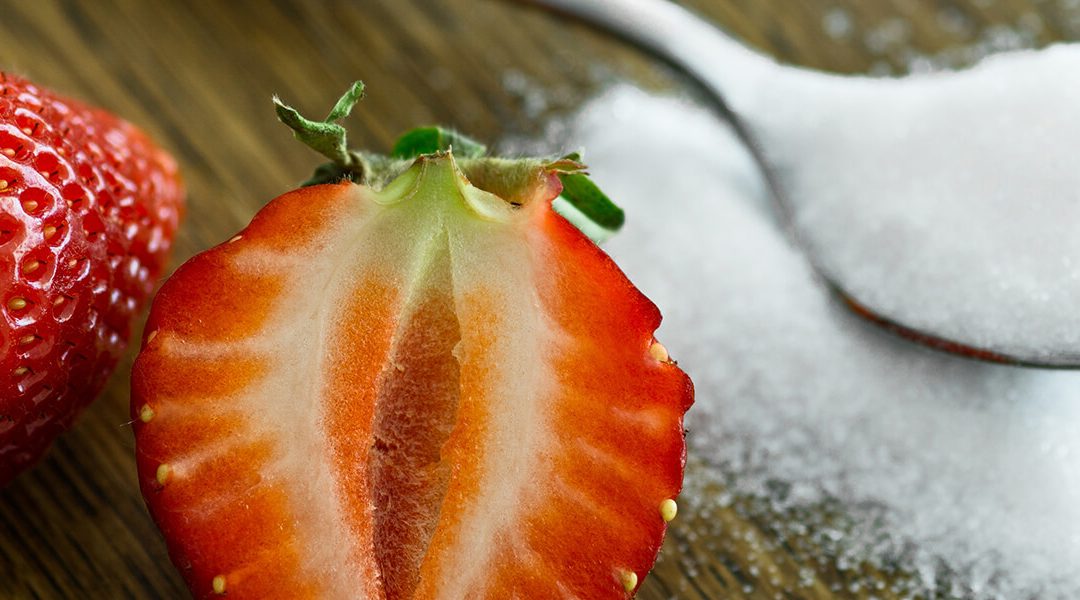
Sugar is added in to so many of the foods we eat on a daily basis, and many of us aren’t even aware of it!  As a whole, we also intentionally consume massive amounts of sugar in our diet each day even though it has been linked to a slew of health problems such as heart disease, diabetes and cancer just to name a few.

Sugar is a carbohydrate that is naturally found in many foods, including lactose (in milk) and fructose (in fruit). These aren’t necessarily the big problem for your health; it’s the processed and added sugars that pose the biggest dangers and it’s not as easy as you may think to avoid them.

Sugar is in so many foods – much more than you may realize. Soda and other soft drinks are the obvious culprits, with just one can of soda having as much as 7 teaspoons of sugar – but that’s not all you need to watch out for.

Low fat “diet” meals often contain plenty of sugar to make up for the lower fat content and to make it taste better. Processed foods in general have added sugar, including canned soups and even ready-made sauces. You may not realize, but even bread can be a victim of sugar! This is why checking your food labels is key to ensure your diet isn’t falling victim to sugar.

What Does Sugar Do to Your Health?

Too much sugar initially spikes your blood sugar levels and then leads to a big crash that affects your mood and makes you crave more sugar. This vicious cycle is one of the main reasons why sugar is so heavily linked to obesity as it encourages you to keep eating more sugar.  Something called the “Vicious Cookie Cycle”.

Why is it a problem? Our ancestors didn’t eat sugar other than fructose that was naturally occurring in fruits and some vegetables. Your liver can metabolize sugar to a large extent but when it reaches excessive levels, it starts turning it into fat instead and this is where the health problems begin. In the modern world, a lot of us eat more sugar than the body can handle.

Eating too much sugar can make your liver inflamed and start building up fat. It also encourages uric acid to be produced, which raises your blood pressure and can even lead to gout. More worryingly, it also affects blood lipids and cholesterol levels, which can lead to cardiovascular problems and type 2 diabetes.

Even fruit juice can contribute to this as it is high in fructose, which can be metabolized to blood sugar. According to studies, high fructose content can encourage the body to store abdominal fat, especially the type that surrounds organs.

So, what are you to do? You’re better off choosing whole fruits (rather than fruit juices). You’ll also get more fiber from whole fruits and you’d have to eat an unrealistic amount for their fructose content to become a cause for concern.

TIP: Mix natural sugars with protein to balance your blood sugar levels and to stop the sugar being absorbed into your bloodstream as quickly. For example, team a piece of fruit with a handful of nuts or some yogurt. This can also help to curb cravings too.

What to Look For on Labels

Sugar often won’t be included on the ingredients as sugar. Food manufacturing companies are getting crafty when it comes to labelling their products. Sugar can be labelled as a long list of other names and it can be hard to really understand what you’re eating. Anything ending in “ose” is an obvious giveaway, including glucose, sucrose (better known as table sugar), fructose and maltose.

Less obvious signs that something contains sugar are syrups such as rice syrup and corn syrup. And then there’s the big one – high fructose corn syrup.

Fructose in fruits isn’t all that bad and this can fool you into thinking that high fructose corn syrup can’t be that dangerous either.  In reality, it’s one of the worst types of sugar you can consume. It’s a major ingredient in a lot of foods these days as it’s cheap to produce, so it’s definitely one to watch out and stay away from as much as you can.

“Sugar free” foods generally contain artificial sweeteners such as sucralose and aspartame. Studies have suggested that these don’t do a lot to satisfy sugar cravings and may actually make you overeat. There are also concerns that they may pave the way for health problems, such as cardiovascular disease.

If these ingredients are high up on the list of your food label, meaning they are in the first few ingredients listed, then you know that there’s a good amount of sugar hiding in the food!

Today, go through your pantry and check your labels. What has hidden sugar in it?

References:
https://www.thelancet.com/journals/landia/article/PIIS2213-8587(14)70013-0/abstract
https://articles.mercola.com/sites/articles/archive/2012/12/04/saccharin-aspartame-dangers.aspx

In Health & Happiness
Dr. Tara Clapp, ND

Dr. Tara Clapp, ND

Dr. Tara Clapp, ND

Naturopathic Doctor Focusing on Anti-aging and Hormone Optimization

Dr. Tara Clapp, ND is a Board-certified Naturopathic Doctor and leading authority on Anti-Aging & Bio-Identical Hormones. Dr. Clapp, ND has taken numerous courses to advance her knowledge and has received certifications in Intravenous Nutrient Therapy, Mesotherapy & Injection Therapy for Anti-Aging  & Pain Management, as well as First Line Therapy Weight Management.

Dr. Tara Clapp, ND uses specialized, leading-edge laboratory testing for better diagnostics & health.  Dr. Tara Clapp, ND has special interests in anti-aging, bio-identical hormone therapy, food and nutrition,  metabolic and hormone imbalances and digestive disorders.

Being a naturopathic doctor has proven to be an especially rewarding experience to Dr. Tara Clapp, ND as it allows her to take part in people’s transformation and realization of their health potential. Consequently, Dr. Tara Clapp, ND continually updates her skills through new courses and conferences, and uses this information to better her clients.

Dr. Tara Clapp, ND is  a dedicated and caring physician, taking personal interest in her clients’ health and life.

Dr. Tara Clapp, ND has a passion for self-development programs that push her beyond regular physical and mental performance.  Dr. Tara Clapp, ND enjoys practicing yoga and meditation, has a love of photography, and relaxes by scrapbooking and enjoying long walks with her dog.

Categories

Dr. Tara Clapp, ND - Anti-aging and Hormone Optimization

Hi! I’m Dr. Tara Clapp, ND

I focus on anti-aging and hormone optimization.

As a naturopathic doctor, I help women achieve radiant skin, maintain an active lifestyle and have lots of energy to do what they want. But what I’m really passionate about is teaching women how to harness the power of nature to change their biology, hormones, and genetic expression so they can live happier and healthier lives and achieve their vision of their best self!

KickAss Keto Diet Program by Dr. Tara Clapp, ND
Renew You Detox Course by Dr. Tara Clapp, ND - Start Now! Detox from home in 10 days for only $47
28 Day Healthy Habits Online Course by Dr. Tara Clapp, ND
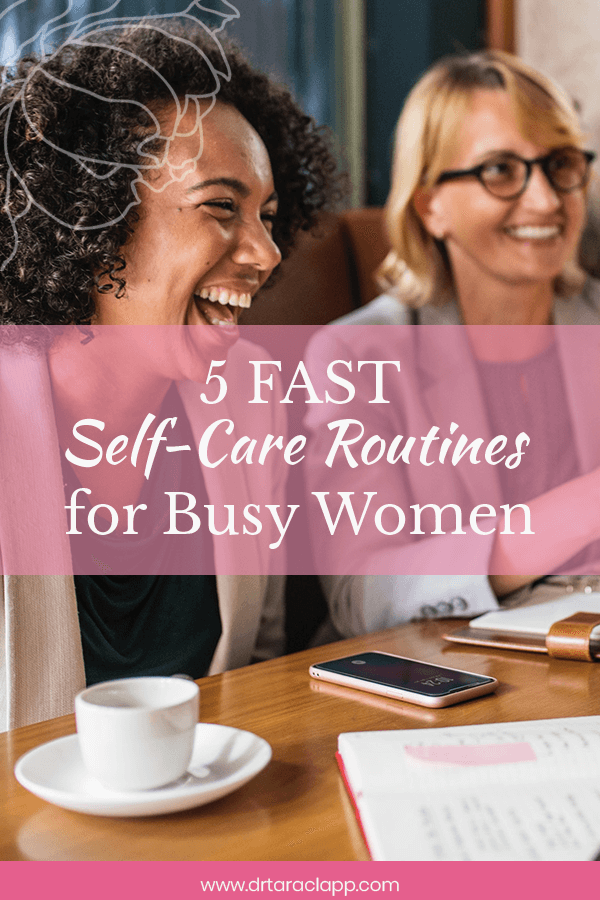
5 FAST Self-Care Routines for Busy Women

5 FAST Self-Care Routines for Busy Women

5 FAST Self-Care Routines for Busy Women

For busy women, finding time for self-care can feel like an impossibility. The way that self-care is often portrayed as long weekends spent at the beach, regular trips to the spa, or hours in the sauna at the gym can make women not even try because they simply don’t have that kind of time. In reality though, self-care can be anything (small or big) you do to give your body attention.

Which is why the following self-care tips won’t take more than 10 minutes of your time while still having big impact on your body.

1. Touch your toes and stretch

It’s easy to ignore the stress and tightness in our spines. But the truth of the matter is that when we spend long hours hunched over the computer, curled up on the couch or picking up after the kids, our posture and body take the brunt of it.  It doesn’t take more than ten minutes to step out of your chair and touch your toes (or as far down your calves as possible!), but the stretching will do your aching joints and body some long-lasting good.

While you’re at it, stretch the rest of your body as well. Perhaps you can look up a yoga posture, or you have a stretching routine in mind already. Whether it is advanced or basic, any kind of stretching will keep your body functioning well despite periods of inactivity. Touch your toes, extend your arms and gear yourself up physically and mentally for whatever task is at hand.

2. Massage and moisturize

Though we tend to link massages and fancy lotions to a day at the spa, not many of us have the time or budget to indulge in frequent spa trips. My girlfriends and I make it a once-a -year fun occasion, even though it would be nice to do it more! But that’s okay because no massage therapist or body worker will know your body and your preferences as well as you do!

Use a natural lotion such as organic coconut oil (my personal favourite) or avocado oil (don’t be afraid to indulge in your favorite) and rub it mindfully into your arms and shoulders, or even across your legs. Spread the cream or oil gently and thoroughly and use your hands to massage over your body across areas that you might not realize are aching. You might come across some sudden sore spots, it’s important to focus on those for a moment, rubbing in the lotion. You will find this relaxing and energizing and your skin will benefit greatly from the extra moisturizing.

3. Phone a friend

At a time where connectivity options are abundant, it’s funny how disconnected we actually are. The business of everyday life can be exhausting and drain us of all the time and will to socialize beyond what is absolutely necessary. During our free time there are personal things we need to tend to that make socializing take a back seat. But to truly care for ourselves, we need to nurture social and emotional aspects as well.

While it’s easy to pick up your phone and send a text, take ten minutes out of your day to actually TALK with a friend or family member. You benefit just as much as they do. Simply talking about your day and what is going on in your life maintains the feeling of being connected. Your support system can help relieve your stress and also helps you to maintain a healthy mindset through your shared bond.

4. Drink two additional glasses of water today

Water is that little magic potion we all too often ignore: it relieves fatigue, clears skin, detoxes your body, improves digestion, and prevents cramps. And yet we often forget to hydrate, or we hydrate so little we get headaches as a result. Not only will drinking two glasses of water help you hydrate, it will also give you much-needed time to get away from your technological devices and focus on your surroundings.

Drink the water slowly and savour the break from your work before you dive back into it. Take it in slow sips if you need to and be sure to follow this tip regularly to meet your daily requirement of water intake.

Not a big water fan? Add in a little squeeze of fresh lemon or lime to add a touch of flavor. Better yet, grab a jug of water and put some sliced fruit such as strawberries and mint for a delicious way to get your water in.

5. Play with your pet or go for a walk

Whether it’s a furry friend or a tank full of fish, scientists have proven the health benefits of animals at every turn. A pet of your own means a faithful companion. And in addition to that spending time with a pet is a proven way to lower blood pressure and increase oxytocin levels.

The enjoyment from pets can be calming and repetitive motion of petting your companion (or even staring at a fish tank!) will help soothe you. Don’t have a pet? Go for a walk to your local park or dog walking track, just taking in the sights of other dogs and animals has the same impact on your wellbeing.

So, as you can see, self-care isn’t just about facials, eating your greens and getting your hair done. It’s also about the soul food that fuels you and the small things that make big impacts on your overall wellbeing. By practicing these 5 tips, you get to spend 10 minutes away from whatever it is you do each day and you get to separate yourself from the chaos and stress of your daily life. Do you take 10 minutes out of your day for you each day? Share with me below!

References

https://www.confidentlife.com.au/20-quick-self-care-activities-can-10-mins-less/
http://time.com/4728315/science-says-pet-good-for-mental-health/
https://thegrowthstudio.org/blog/quick-self-care-10-ways-to-practice-self-care-in-5-minutes-or-less

In Health & Happiness
Dr. Tara Clapp, ND

Dr. Tara Clapp, ND

Dr. Tara Clapp, ND

Naturopathic Doctor Focusing on Anti-aging and Hormone Optimization

Dr. Tara Clapp, ND is a Board-certified Naturopathic Doctor and leading authority on Anti-Aging & Bio-Identical Hormones. Dr. Clapp, ND has taken numerous courses to advance her knowledge and has received certifications in Intravenous Nutrient Therapy, Mesotherapy & Injection Therapy for Anti-Aging  & Pain Management, as well as First Line Therapy Weight Management.

Dr. Tara Clapp, ND uses specialized, leading-edge laboratory testing for better diagnostics & health.  Dr. Tara Clapp, ND has special interests in anti-aging, bio-identical hormone therapy, food and nutrition,  metabolic and hormone imbalances and digestive disorders.

Being a naturopathic doctor has proven to be an especially rewarding experience to Dr. Tara Clapp, ND as it allows her to take part in people’s transformation and realization of their health potential. Consequently, Dr. Tara Clapp, ND continually updates her skills through new courses and conferences, and uses this information to better her clients.

Dr. Tara Clapp, ND is  a dedicated and caring physician, taking personal interest in her clients’ health and life.

Dr. Tara Clapp, ND has a passion for self-development programs that push her beyond regular physical and mental performance.  Dr. Tara Clapp, ND enjoys practicing yoga and meditation, has a love of photography, and relaxes by scrapbooking and enjoying long walks with her dog.

Categories

Dr. Tara Clapp, ND - Anti-aging and Hormone Optimization

Hi! I’m Dr. Tara Clapp, ND

I focus on anti-aging and hormone optimization.

As a naturopathic doctor, I help women achieve radiant skin, maintain an active lifestyle and have lots of energy to do what they want. But what I’m really passionate about is teaching women how to harness the power of nature to change their biology, hormones, and genetic expression so they can live happier and healthier lives and achieve their vision of their best self!

KickAss Keto Diet Program by Dr. Tara Clapp, ND
Renew You Detox Course by Dr. Tara Clapp, ND - Start Now! Detox from home in 10 days for only $47
28 Day Healthy Habits Online Course by Dr. Tara Clapp, ND
Can Not Enough Sleep Make You Fat and Sick?

Can Not Enough Sleep Make You Fat and Sick?

Is Not Enough Sleep Making You Fat?

Sleep is one of the best things that you can do for yourself from a self-care perspective but it’s also one of the areas that is most likely to be neglected.

The recommended amount of shut eye is eight hours a night (preferably more!), but lots of us are falling far short of this and it’s having a massive impact on almost every aspect of wellbeing, from health to weight. You can live healthy in every other area of your life and eat fantastic foods, but unfortunately, it’s probably not going to do much to counteract the damaging effects of poor sleep habits.

Here’s a look at why getting enough sleep is so crucial for your health and wellbeing, and why diet alone can’t undo the effects of not sleeping well.

Sleep Duration Versus Sleep Quality

We’re always being told how many hours we should be sleeping each night but is it definitely enough even if we can manage to achieve it?

Sleep quality refers to how well we sleep and is a completely different prospect to how long we sleep. It’s pretty easy to tell how long you sleep but the quality of it is a bit harder to determine.

Poor sleep quality means that you’re not sleeping in line with your circadian rhythm or going through all of the important sleep phases (particularly with REM sleep).

Some of the signs that your sleep quality isn’t as good as it could be include:

  • Waking up during the night
  • Not waking up naturally e.g. you have to be abruptly awoken by your alarm clock most mornings
  • Keeping track on a FitBit will give you all of these insights at your fingertips!

Sleep and Health

What exactly does your body experience when you don’t get enough sleep? Pretty much everything is affected but here are some of the more serious effects that poor
sleep patterns can have on your health:

  • Lower immunity. If you seem to get every cough and cold going, your sleep habits may be to blame. In one study, researchers deliberately exposed people to the common cold virus to see how likely they were to go onto develop a cold. Participants who had been sleeping for less than 7 hours per night had lower immunity and were almost 3 times more likely to be impacted. Even a small sleep debt has been linked to lower immunity.
  • Higher risk of heart disease and stroke. Studies have looked at the link between lack of sleep and developing heart disease and stroke and it’s a scary connection. Getting less than 7 to 8 hours of sleep per night means a higher chance of developing Coronary Heart Disease or having a stroke – and dying from it.
  • Higher risk of diabetes. A sleep debt can pave the way for developing Type 2 diabetes. In this study, just a week of not sleeping well reduced insulin sensitivity and raised concerns about whether consistently sleeping badly might open the door to developing health issues linked to insulin resistance.
  • Increased inflammation. Inflammation is now linked to lots of different health problems and can be increased sleep loss.

Sleep and Cognition

You’ve no doubt heard that eating the right foods can boost your brain health but it’s not just diet can affect your memory and concentration.

Sleep is an important factor too, and lack of sleep has been shown to impair them. In fact, one study has suggested that even moderate sleep issues can be as damaging as alcohol in affecting performance!

The deeper stages of sleep are particularly vital when it comes to clear thinking, focus, memory and learning. This is when your brain does a lot of its mental ‘sorting’, such as filtering out information that isn’t really needed right now. It doesn’t sound a lot but it all adds up to better cognition and performance.

Sleep and Weight Gain

If you don’t sleep well, it can be a lot harder to maintain a healthy weight. The main problem? It sends your metabolism a little bit crazy and can ruin your good intentions for eating well.

Lack of sleep has a big effect on hormones that are linked to appetite – namely leptin and ghrelin. Leptin helps to keep your appetite in check while ghrelin does the opposite.

Ideally, you want to have more leptin and less ghrelin but not getting enough sleep throws this balance out and effectively switches them around. This means you’re a lot more likely to overeat, even when you’re technically full. And you’ll find it harder to shift stubborn fat on your stomach, as sleep deprivation encourages fat to build up in this area in particular.

Improving Your Sleep Quality

Some of the things you can do to try to get better quality sleep each night include:

  • Making your room as dark as possible to support your circadian rhythm. Pitch black (or as close to it as you can get) is best.
  • Setting a bedtime routine that involves going to bed at the same time every night and getting up at a specific time each morning.
  • Switching off electronic devices at least an hour before bed (even your phone!) to reduce the amount of ‘blue light’ you’re exposed to just before bedtime. This ‘blue light’ means your body finds it harder to produce enough of the sleep hormone, melatonin, to help you sleep well.

If you haven’t been seeing sleep as a key part of your wellness routine, it’s definitely time to change that! How well do you sleep?

References:
https://www.ncbi.nlm.nih.gov/pubmed/19139325
https://www.ncbi.nlm.nih.gov/pubmed/8621064
https://www.ncbi.nlm.nih.gov/pubmed/21300732
https://www.ncbi.nlm.nih.gov/pubmed/20585000
https://www.ncbi.nlm.nih.gov/pmc/articles/PMC3548567/
https://www.ncbi.nlm.nih.gov/pubmed/10984335
https://www.ncbi.nlm.nih.gov/pubmed/15602591

In Health & Happiness
Dr. Tara Clapp, ND

Dr. Tara Clapp, ND

Dr. Tara Clapp, ND

Naturopathic Doctor Focusing on Anti-aging and Hormone Optimization

Dr. Tara Clapp, ND is a Board-certified Naturopathic Doctor and leading authority on Anti-Aging & Bio-Identical Hormones. Dr. Clapp, ND has taken numerous courses to advance her knowledge and has received certifications in Intravenous Nutrient Therapy, Mesotherapy & Injection Therapy for Anti-Aging  & Pain Management, as well as First Line Therapy Weight Management.

Dr. Tara Clapp, ND uses specialized, leading-edge laboratory testing for better diagnostics & health.  Dr. Tara Clapp, ND has special interests in anti-aging, bio-identical hormone therapy, food and nutrition,  metabolic and hormone imbalances and digestive disorders.

Being a naturopathic doctor has proven to be an especially rewarding experience to Dr. Tara Clapp, ND as it allows her to take part in people’s transformation and realization of their health potential. Consequently, Dr. Tara Clapp, ND continually updates her skills through new courses and conferences, and uses this information to better her clients.

Dr. Tara Clapp, ND is  a dedicated and caring physician, taking personal interest in her clients’ health and life.

Dr. Tara Clapp, ND has a passion for self-development programs that push her beyond regular physical and mental performance.  Dr. Tara Clapp, ND enjoys practicing yoga and meditation, has a love of photography, and relaxes by scrapbooking and enjoying long walks with her dog.

Subscribe To The Newsletter + Get Access To The Freebie Vault

collection of ebooks contained in the free member vault of Dr. Tara Clapp, ND

Categories

Dr. Tara Clapp, ND - Anti-aging and Hormone Optimization

Hi! I’m Dr. Tara Clapp, ND

I focus on anti-aging and hormone optimization.

As a naturopathic doctor, I help women achieve radiant skin, maintain an active lifestyle and have lots of energy to do what they want. But what I’m really passionate about is teaching women how to harness the power of nature to change their biology, hormones, and genetic expression so they can live happier and healthier lives and achieve their vision of their best self!

KickAss Keto Diet Program by Dr. Tara Clapp, ND
Renew You Detox Course by Dr. Tara Clapp, ND - Start Now! Detox from home in 10 days for only $47
28 Day Healthy Habits Online Course by Dr. Tara Clapp, ND
How to Speed Up Your Metabolism

How to Speed Up Your Metabolism

How to Speed Up Your Metabolism

There are many little things you can do during the day to speed up your metabolism – from being more fidgety to ensuring that you stay hydrated. The following suggestions can help you rev up your metabolism, making it easier to lose weight and get healthy.

  1. Drink Cold Water – Drinking cold water forces your body to heat up the water to digest it properly, thus using more calories and boosting your metabolism.
  2. Start Your Day with Exercise – Movement increases metabolism during the activity and long after you’ve stopped the activity. Start your day with exercise and find other times during the day to keep moving.
  3. Use Caffeine – Many people balk at the idea of purposely ingesting caffeine but let’s be honest – it’s in many supplements and drinks, and most of us use it. If you have no health issues that make it impossible to use, realize that it does boost metabolism but be careful.
  4. Eat Healthy Lean Protein – Don’t add protein powders and processed ingredients to your food. Instead, eat healthy lean proteins which can be found in vegetables, fruit, legumes, fish, and lean meat.
  5. Drink Green Tea – This is loaded with antioxidants, caffeine and something called EGCG (Epigallocatechin gallate) which is thought to boost metabolism. (more on this great supplement in the next blog post!)
  6. Use Gym Machines – Sometimes it can be hard to exercise at the gym and the machines look scary. But some machines are extra good at burning calories with less work, such as elliptical machines.
  7. Eat Omega 3s – These are found in salmon, hemp seeds, flax seeds and chia seeds, and are all great ways to get in your Omega 3s which help lower the risk of heart disease, depression and dementia.
  8. Take Resveratrol Supplements– This ingredient, found in red wine, grapes, cherries, and cranberries, reacts on the body a lot like caffeine. It increases motivation and revs up the metabolism. It may be a heathier option than caffeine.

Whichever methods you chose to incorporate into your life, it is important that you talk to your health care provider to make sure that you are generally healthy. Adding supplements and even exercise can be dangerous for some people, especially if you’ve been sedentary for a long time. So it’s important that you go to your doctor, get a clean bill of health, and then work toward speeding up your metabolism in the healthiest ways that you can find.

Yours in Health,
Dr. Tara Clapp, ND

Dr. Tara Clapp, ND

Dr. Tara Clapp, ND

Naturopathic Doctor Focusing on Anti-aging and Hormone Optimization

Dr. Tara Clapp, ND is a Board-certified Naturopathic Doctor and leading authority on Anti-Aging & Bio-Identical Hormones. Dr. Clapp, ND has taken numerous courses to advance her knowledge and has received certifications in Intravenous Nutrient Therapy, Mesotherapy & Injection Therapy for Anti-Aging  & Pain Management, as well as First Line Therapy Weight Management.

Dr. Tara Clapp, ND uses specialized, leading-edge laboratory testing for better diagnostics & health.  Dr. Tara Clapp, ND has special interests in anti-aging, bio-identical hormone therapy, food and nutrition,  metabolic and hormone imbalances and digestive disorders.

Being a naturopathic doctor has proven to be an especially rewarding experience to Dr. Tara Clapp, ND as it allows her to take part in people’s transformation and realization of their health potential. Consequently, Dr. Tara Clapp, ND continually updates her skills through new courses and conferences, and uses this information to better her clients.

Dr. Tara Clapp, ND is  a dedicated and caring physician, taking personal interest in her clients’ health and life.

Dr. Tara Clapp, ND has a passion for self-development programs that push her beyond regular physical and mental performance.  Dr. Tara Clapp, ND enjoys practicing yoga and meditation, has a love of photography, and relaxes by scrapbooking and enjoying long walks with her dog.

Categories

Dr. Tara Clapp, ND - Anti-aging and Hormone Optimization

Hi! I’m Dr. Tara Clapp, ND

I focus on anti-aging and hormone optimization.

As a naturopathic doctor, I help women achieve radiant skin, maintain an active lifestyle and have lots of energy to do what they want. But what I’m really passionate about is teaching women how to harness the power of nature to change their biology, hormones, and genetic expression so they can live happier and healthier lives and achieve their vision of their best self!

KickAss Keto Diet Program by Dr. Tara Clapp, ND
Renew You Detox Course by Dr. Tara Clapp, ND - Start Now! Detox from home in 10 days for only $47
28 Day Healthy Habits Online Course by Dr. Tara Clapp, ND

Pin It on Pinterest

On this website we use first or third-party tools that store small files (cookie) on your device. Cookies are normally used to allow the site to run properly (technical cookies), to generate navigation usage reports (statistics cookies) and to suitably advertise our services/products (profiling cookies). We can directly use technical cookies, but you have the right to choose whether or not to enable statistical and profiling cookies. Enabling these cookies, you help us to offer you a better experience. View the Policy